
Beverage Container Recycling Pilot Program
SB 458 (2017) and AB 54 (2019)
CalRecycle has awarded the tenth and final spot in October 2023. This page will be updated if a participant withdraws from the pilot program. Thanks to everyone for their participation.
Communities Customize CRV Redemption
Pilot projects allow more flexible operating requirements and customized redemption programs designed to meet a region’s unique needs.
Emergency Regulations
The pilot project program regulations were amended to align with legislative amendments to the implementing statute, expand jurisdictional eligibility, and adjust the consumer redemption daily load limits.
The Office of Administrative Law approved the pilot project program emergency regulations on February 4, 2022, and they will remain in effect until January 1, 2034.
YouTube (00:04:57) | Transcript
Pilot Projects increase convenience in the following communities:
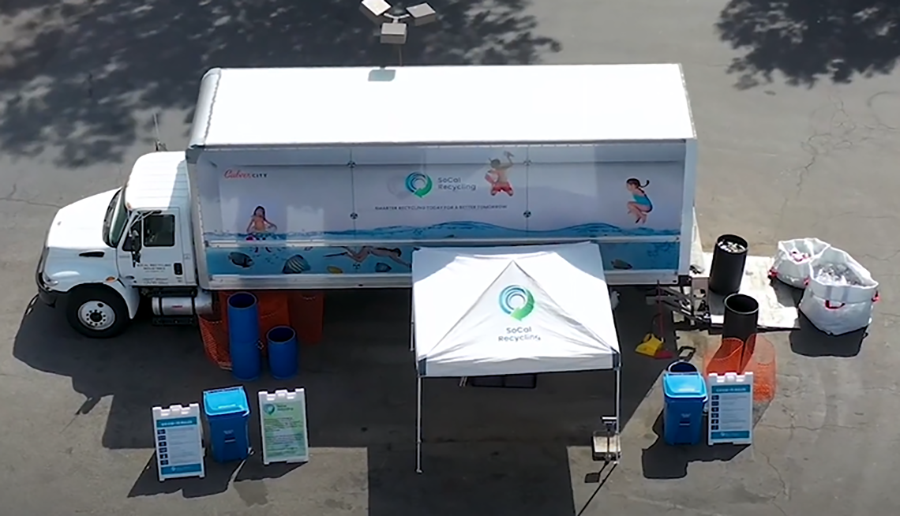
Mobile Recycling
Culver City’s Pilot Program: SoCal Recycling Industries operates a mobile weigh and pay recycling station and offers immediate cash payments. The mobile truck operates at two different beverage dealer shopping plazas on different days of the week.
Cupertino’s and Sunnyvale’s Pilot Program: Evtek Inc. operates a mobile trailer parked at three nondealer locations. The trailer is parked at a local park on various days of the week. The consumers can redeem their CRV through the bulk reverse vending machine method or bag drop. Evtek Inc. provides electronic or Recycletek-issued debit card payment.
At-Home Pickup
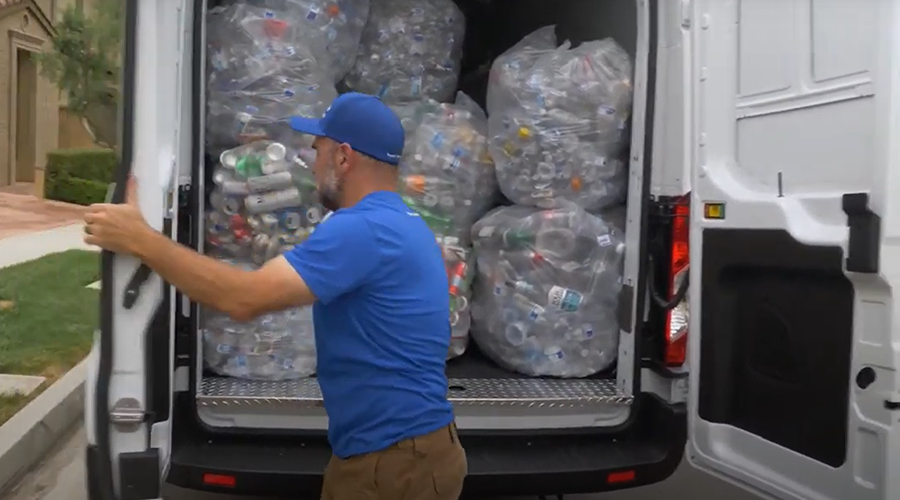
Irvine’s Pilot Program: Recycle From Home LLC operates residential and business pickup, offering to mail a check or make electronic payments after processing CRV. Consumers will need to download the Recycle from Home phone application to utilize the services.
Corona, Orange (City and unincorporated County), and Rancho Santa Margarita, Riverside, Laguna Niguel, Costa Mesa and Huntington Beach’s Pilot Program: Recycle From Home LLC operates residential and business pickup, offering to mail a check or make electronic payments after processing CRV. Consumers will need to download the Recycle from Home phone application to utilize the services.
Bag Drop-Off, Mobile Recycling and More
San Francisco’s Pilot Program: Our Planet Recycling LLC operates multiple mobile bag drop sites throughout the City and County of San Francisco, offering electronic payment options. Consumers will need to download the BottleBank phone application to utilize the services. There is one stationary recycling center that offers weigh and pay as well as bag drop.
Mendocino County and Fort Bragg’s Pilot Program: Redwood Waste Solutions Inc. operates a mobile recycling center at various rural locations in Mendocino County and surrounding areas including: Fort Bragg Food Bank, Caspar Community Center, Ukiah, Clearlake and Lake County. This pilot project offers consumer payment by check.
Humboldt County Pilot Program: Hambro Forest Products Inc. operates a mobile weigh and pay station in the rural communities of Willow Creek Redway, Eureka and Weaverville. They offer immediate cash payment.
Fixed Locations With Limited Hours
San Mateo County’s Pilot Program: J&D Recycling LLC currently operates two fixed buy back locations with limited hours of operation in the City of San Mateo and the City of Half Moon Bay. The City of San Mateo location operates weigh and pay and a bag drop kiosk. J&D Recycling LLC offers immediate cash payment as well as electronic payment options with the bag drop kiosk.
Sonoma County’s Pilot Program: United Cerebral Palsy of the North Bay operates multiple fixed location sites with on-site cash payment in 5 cities in Sonoma County. This regional partnership includes the cities of Petaluma, Sebastopol, Healdsburg, Rohnert Park, and Windsor.
Reverse Vending Machines and More
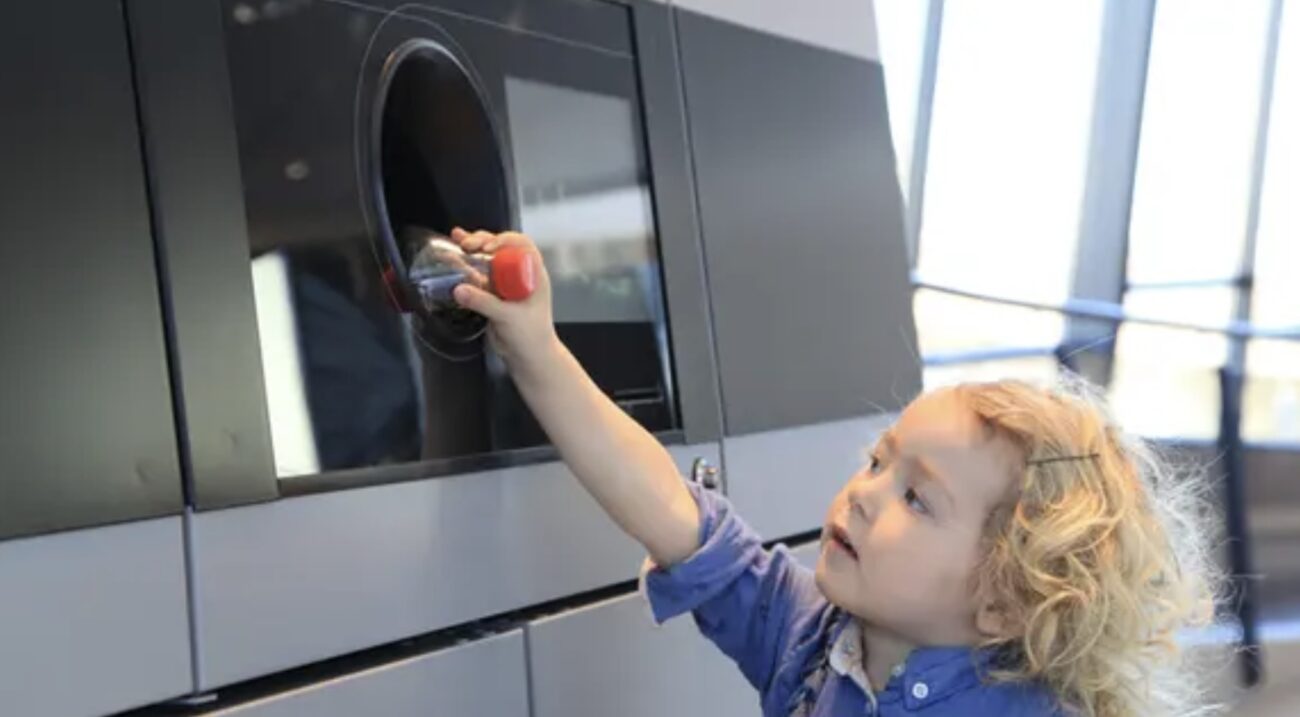
Sacramento County’s Pilot Program: California RVM Solutions operates an indoor climate controlled 5,000-square-foot building recycling center. They offer multiple methods of CRV redemption, including reverse vending machines, bulk-feed technology systems, bag drop, and over-the-counter redemption. Consumers can be paid cash or electronically via an app, or donate to a local charity. In addition, California RVM Solutions has a bag drop kiosk that is set up outside of a local grocery store. Consumers who use this bag drop kiosk will be paid electronically within three days.
California’s Beverage Container Recycling and Litter Reduction Act of 1986
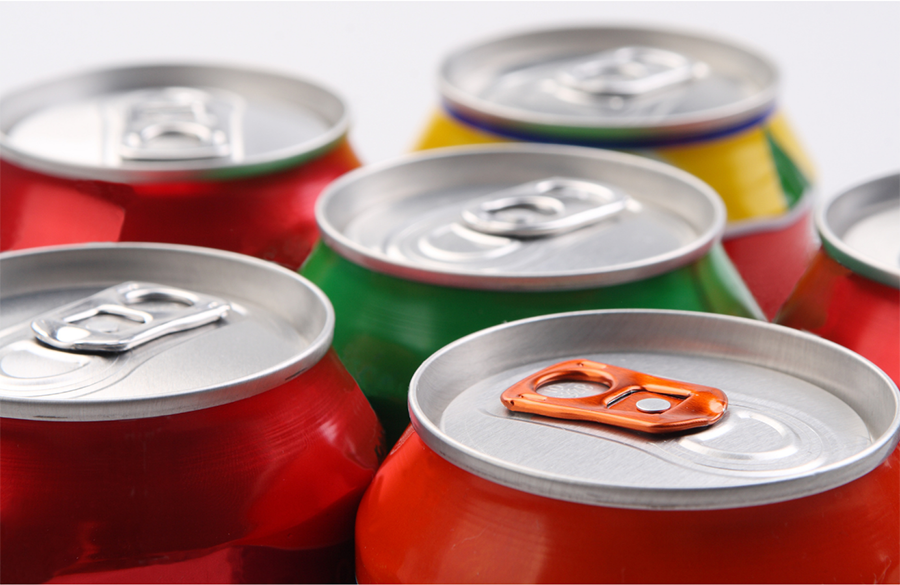
Californians recycled over 491 billion bottles and cans since the start of the California Beverage Container Recycling and Litter Reduction Act of 1986.
Consumers pay California Redemption Value (CRV) when they purchase eligible beverages from a retailer. They receive CRV refunds when they redeem the containers at a state-certified recycling center or obligated beverage retailer.
Jurisdictions
Eligible jurisdictions must meet at least one of the following criteria as of the effective date of the pilot project application:
- Had at least 6 unserved convenience zones.
- Had at least 75% of all convenience zones unserved.
- Was located in a region designated as “rural.”
Eligible proposed pilot project must serve at least one of the following:
- At least 3 unserved convenience zones.
- One or more convenience zone impacting at least 30 dealers.
- A rural region.
Once pilot programs commence, all convenience zones within the program’s area will be considered served, relieving CRV dealers of their obligation to either redeem containers in-store or join a dealer cooperative, until January 1, 2027 (PRC 14571.9(b)(1)).
Pilot Project Recyclers
Pilot project recyclers must work with the approved jurisdictions and receive certification from CalRecycle.
- A pilot project in a city/county could include more than one site, pilot project recycler, or approach.
- Compared to traditional certifications, pilot project recyclers have additional flexibility, including reduced hours of operation, more flexible consumer payment methods or alternative methods of redemption, such as stationary drop-off locations or mobile collection programs.
- In addition to CRV reimbursement, recyclers operating within a pilot project may be eligible for other program payments:
- Handling fees, paid on a per-container basis, to pilot project recyclers.
- Processing payments, paid on a per-pound basis, to program operators to help cover the costs of collecting and recycling materials that would not otherwise be economic to handle.
Frequently Asked Questions (FAQ’s)
1. If I’m interested in the new recycling pilot project program (pilot program), or have questions about it, who do I contact first?
Please contact RCPilot@calrecycle.ca.gov.
2. What is the new pilot program?
SB 458 authorized a new beverage container recycling pilot program. This new pilot program allows cities, counties, and companies to partner together to open new and innovative types of redemption opportunities to serve areas that do not have enough beverage container recycling locations. These innovative recycling centers can be mobile recycling centers (RCs), stationary staffed RCs, reverse vending machines (RVM), pick-up services, stationary drop-off sites, or combinations of these. If you have an innovative recycling center idea not listed here, please contact us to see if it is allowable under the pilot program.
For more information, contact RCPilot@calrecycle.ca.gov.
3. Where can I read a copy of the pilot program legislation and regulations?
-
- Statute and regulations
- SB 458 (Wiener, Chapter 648, Statutes of 2017) (established the pilot program)
- AB 54 (Ting, Chapter 793, Statutes of 2019) (revised the pilot program)
- AB 128 (Ting, Chapter 21, Budget Act of 2021) (revised the pilot program)
- AB 148 (Committee on Budget, Chapter 115, Statutes of 2021) (revised the pilot program)
4. Where can I read a copy of the pilot program regulations?
5. Where can I get copies of pilot project application forms?
To start the pilot program application process, please contact RCPilot@calrecycle.ca.gov.
6. Do I need to get permission from my city or county to participate in the CalRecycle pilot program?
Yes. The jurisdiction itself must have an approved pilot project and will be required to authorize a pilot project recycler in order for the recycler to obtain certification. Additionally, CalRecycle strongly encourages all businesses and companies to contact their local jurisdiction (city or county) to confirm local rules, regulations, and ordinances related to recycling center zoning requirements, operational requirements, and business license requirements.
7. What should I do if my city or county will not allow me to operate a pilot project recycling program?
The beverage container recycling pilot program is a voluntary program, and as a result, jurisdictions are not required to participate. However, if you want to work with a jurisdiction that meets the eligibility requirements, please contact us so that we can reach out to the jurisdiction to explain the possible benefits of participation.
Please contact RCPilot@calrecycle.ca.gov.
8. How many pilot projects, or pilot project recyclers, can CalRecycle approve at any one time?
According to SB 458, CalRecycle may approve up to ten (10) pilot projects to operate at one time. CalRecycle must approve all pilot projects by January 1, 2032.
However, pilot project recyclers that serve the pilot projects are not limited in number and CalRecycle can continue to approve recycler applications for the duration of the pilot program.
9. Where can a pilot project recycler be located?
A pilot project recycler may serve an urban area, rural area, or both. A pilot project recycler may provide redemption opportunities anywhere within the pilot project area, whether in a Convenience Zone (CZ) or not.
10. Does the pilot program have a start date?
CalRecycle is currently accepting pilot project jurisdiction and recycler applications. CalRecycle has specific timelines to review and approve or deny pilot project applications.
11. Does the pilot program have an end date?
CalRecycle can approve pilot projects until January 1, 2032. The pilot project program concludes on January 1, 2034.
12. Will pilot project recyclers be eligible to receive handling fees?
Pilot project recyclers may be eligible to receive handling fees if all eligibility requirements are met, including, but not limited to:
-
- Being certified, operational, and accepting and paying the refund value to consumers for all empty eligible beverage container material types.
- Per AB 54, for purposes of handling fee eligibility, a pilot project recycler may be located anywhere within a pilot project area.
13. Does a pilot project recycler have to be located at a dealer site in an urban area to qualify for handling fees?
No. The pilot program allows for a recycling center to not be located at a dealer site and still be eligible to receive handling fees, assuming they meet all the requirements.
14. For purposes of the pilot program, what is an unserved zone?
For the purposes of the pilot program, an unserved zone is any convenience zone that is not served by a recycling center.
15. Where can I get other questions about the pilot program answered?
Please contact RCPilot@calrecycle.ca.gov.
16. Will there be new pilot project spots added to the program?
As of October 2023, CalRecycle awarded the last pilot project. Currently, there are no plans to add pilot project spots. However, existing pilots may be approved for additional locations until January 1, 2032.
Other Information
- Beverage Container Recycling Program Locator (updated continuously)
Beverage Container Programs searchable data: Recyclers, Processors, Dropoff or Collection Programs, Community Service Programs, Curbside Programs, Agencies. - Learn how to report fraudulent recycling activities.
- Handling Fees – CalRecycle Home Page
- Convenience Zone status report
For more information, visit Beverage Container Recycling Home