
With a half-trillion containers recycled and counting, California’s Bottle Bill delivers big environmental wins while strengthening the world’s fourth largest economy
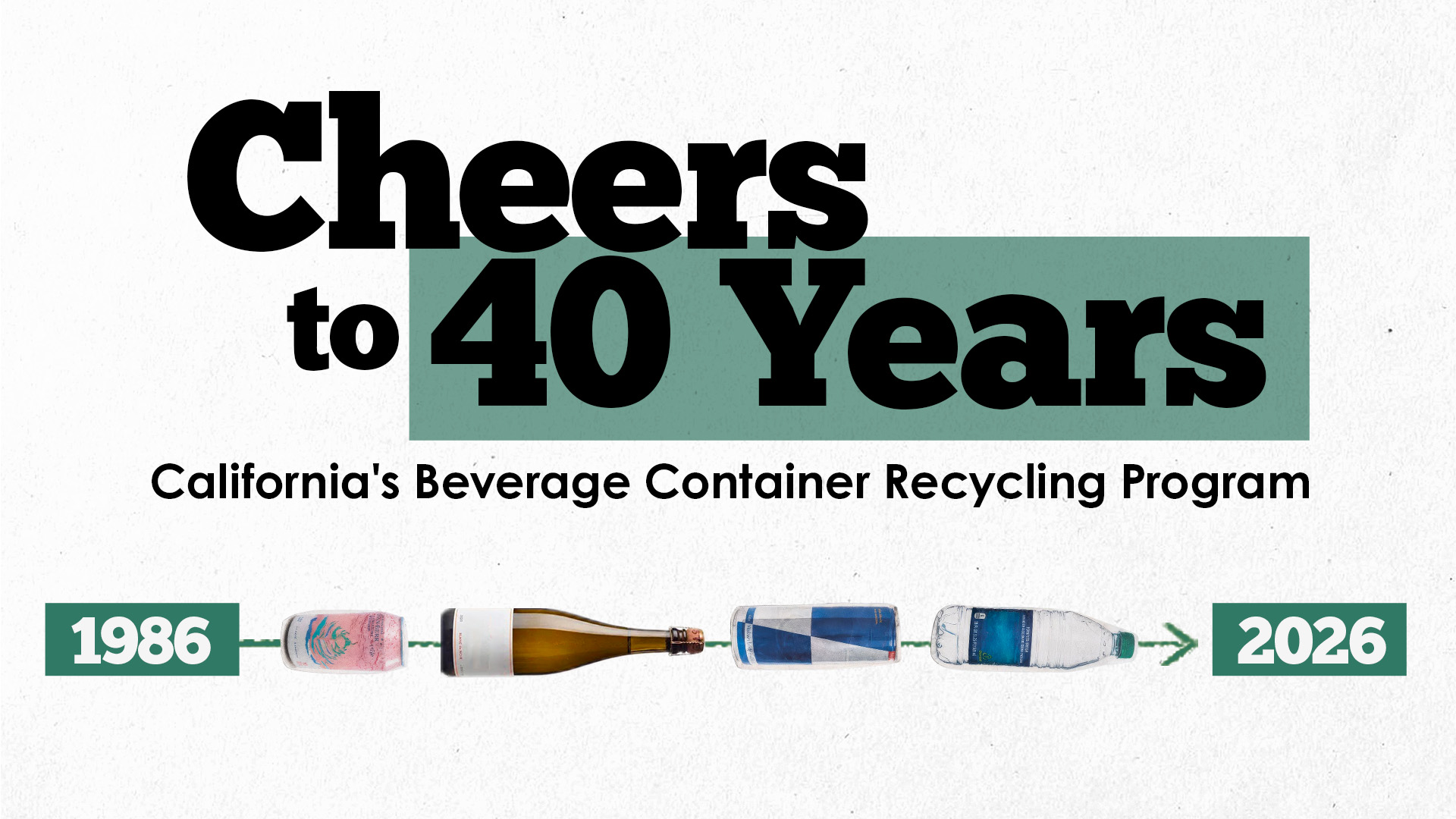
SACRAMENTO, Calif. — California is nearing 550 billion beverage containers recycled as the state’s deposit-return-recycling system marks 40 years of reducing litter, creating jobs, recycling beverage containers into new products, and returning cash to consumers. The Beverage Container Recycling and Litter Reduction Act was signed into law on September 29, 1986, amid rising concern over litter, landfill space, and natural resource depletion.
In 2025 alone, Californians recycled a record 20.3 billion beverage containers, or 71% of containers sold, providing manufacturers with clean material used to create new bottles, cans, and other products.
“Over the past four decades, Californians have kept nearly 550 billion beverage containers out of our environment and landfills, putting money back in their pockets and supporting local businesses that turn empty beverage containers into new products,” CalRecycle Director Zoe Heller said. “New efforts are making it even easier for Californians to cash in and recycle more with modern technology and more recycling sites that meet consumers where they are.”
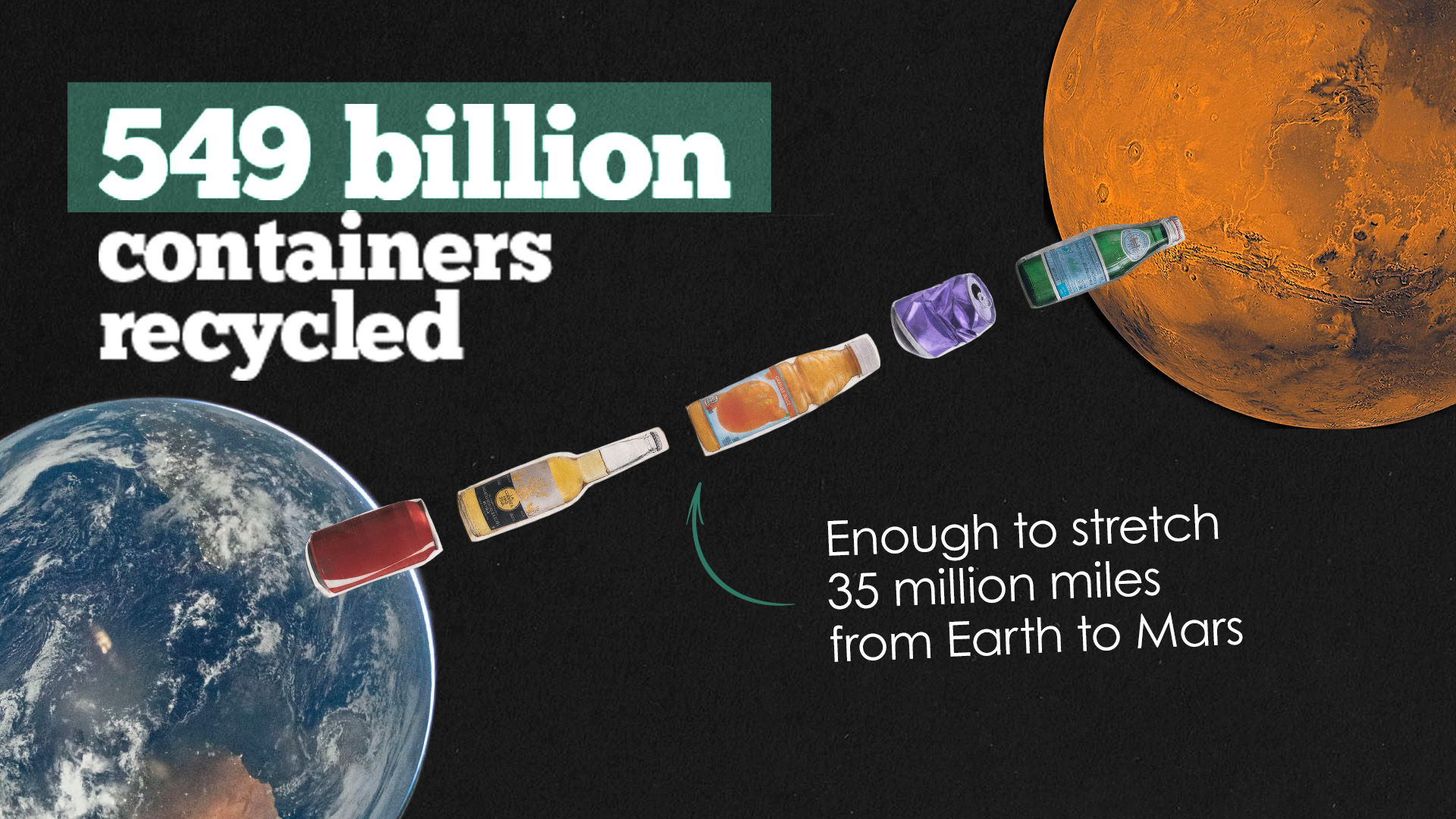
49 billion beverage containers recycled, enough to reach Mars, and continually remade into new containers and products.
Four Decades of Impact
California was among the first states to pass a Bottle Bill and today runs the nation’s largest deposit-return-recycle system. Consumers pay a 5-, 10-, or 25-cent CRV deposit on eligible beverages and redeem containers to be recycled at over 1,400 recycling locations statewide, supplying clean, sorted, high-quality material that drives California’s circular manufacturing economy.
The Beverage Container Recycling Program built the foundation of California’s recycling economy by supporting small businesses, creating jobs, and reducing reliance on virgin resources. Participants include:
- 1,400 recycling centers
- 637 curbside programs
- 281 community/dropoff programs
- 171 processors
- 27 dealer cooperative redemption locations
- 6,748 beverage manufacturers
- 6,944 beverage distributors
Easier, More Convenient Recycling with Bigger Impact
Modernization reforms are expanding convenience for consumers, creating new opportunities for businesses, and increasing the supply of clean recycled material for California manufacturers by:
- Adding wine, liquor, and previously excluded juice containers to the program
- Offering modern takeback options including reverse vending machines, mobile recycling, and bag drop-off recycling
- Creating a dealer cooperative system so retailers can offer more recycling opportunities in areas without recycling centers
- Growing California’s glass and plastic recycling and remanufacturing businesses that rely on clean recycled feedstock for new products
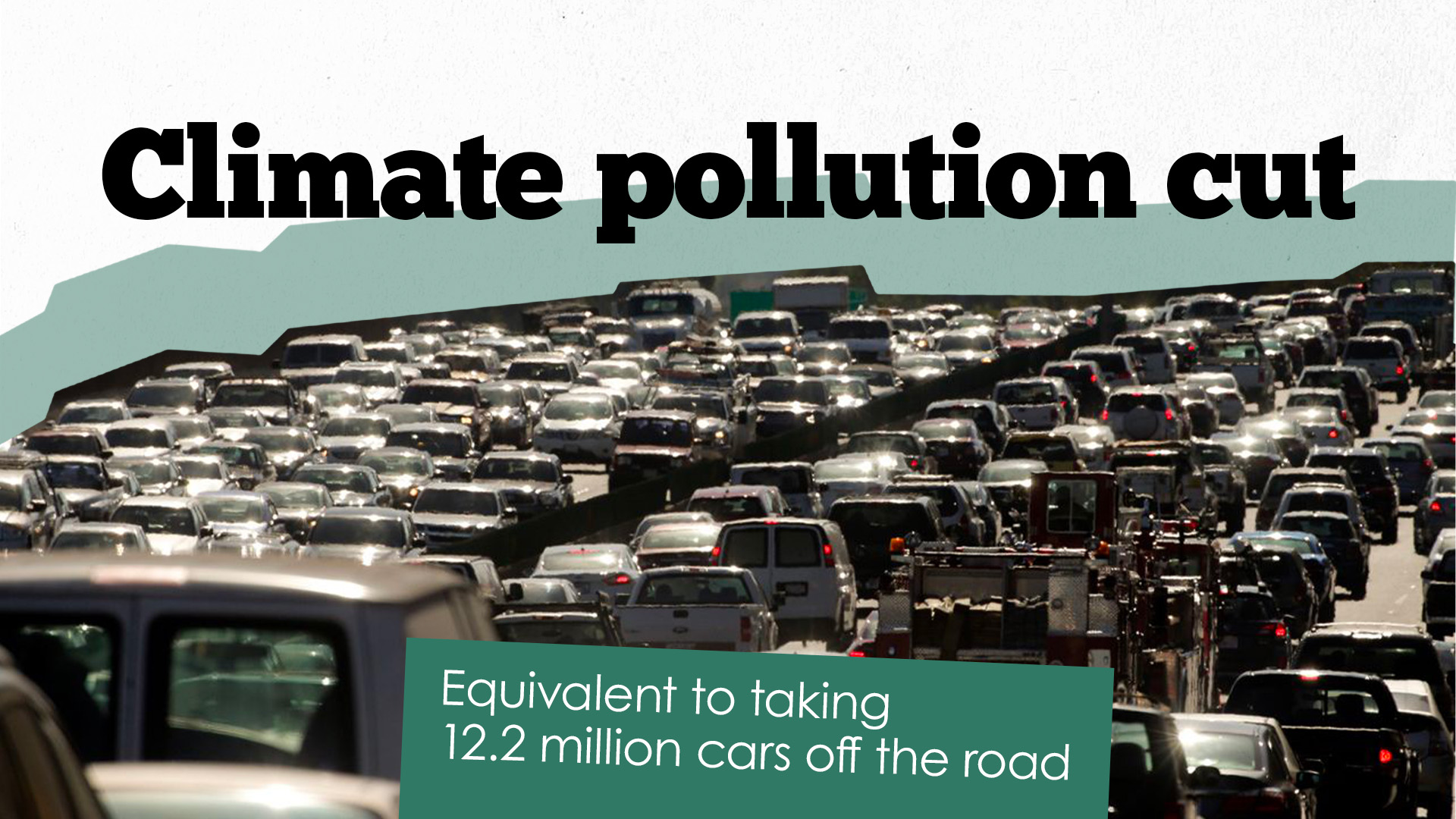
52.5 million metric tons of CO2e prevented, equal to taking 12.2 million cars off the road for a year, by replacing carbon-intensive manufacturing of virgin materials.
Get Involved
Californians can find their nearest recycling location at BottlesandCans.com. For more information on eligible CRV containers, visit CRVHelp.com. Find CRV recycling rules on RecyclingReimagined.ca.gov and see how small actions can have a big impact.
California Beverage Container Recycling Fun Fact
- Californians recycle about 70% of beverage containers each year, one of the highest program recycling rates and total volumes in the world.
- Californians return an average of 37.6 million CRV containers a day (435 a second), sending them directly into recycling and remanufacturing.
- Lined up, recycled beverage containers could make 48 round trips to the moon, stretch 35 million miles to Mars, or circle California 10,478 times.
- Recycling CRV has prevented 52.5 million metric tons of CO2e, equal to taking 12.2 million cars off the road for a year, by replacing virgin resources with recycled ones.
- Energy savings total 260.6 billion kilowatt-hours, enough to power every California home for 3 years.
- Recycling CRV containers saved 1.26 billion cubic yards of landfill space, 556 billion gallons of water, and 57 million tons of raw bauxite ore, crude oil, and sand by using recycled materials instead of virgin resources.